Alcohol and Anxiety: Why It Feels Like It Helps, Then Makes Things Harder
May 28, 2026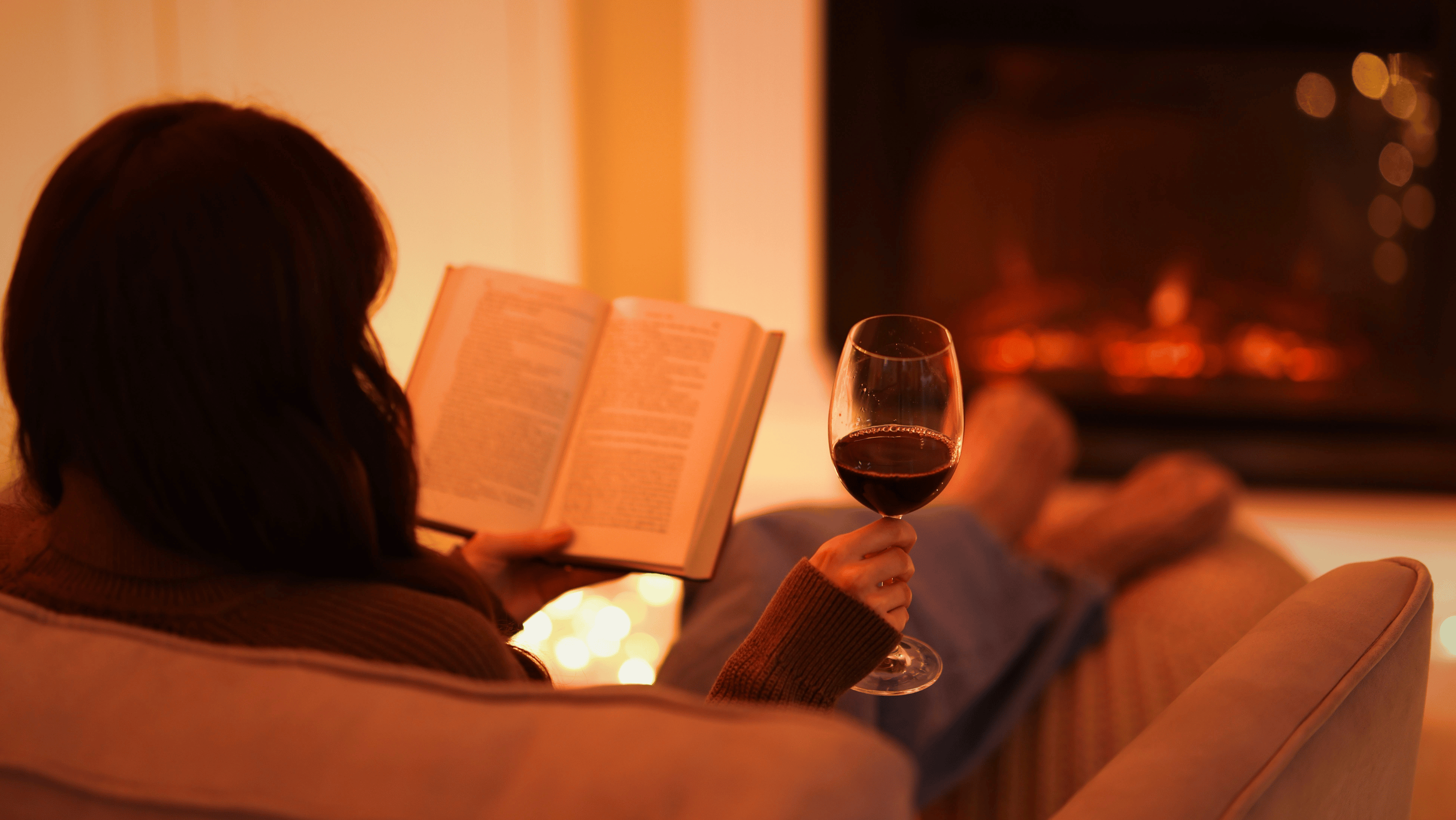
By Tansy Forrest, Clinical Hypnotherapist & Author of Ten Steps to Drink Less and Live Well
It started as a way to slow down. The day had been long, the mind had not stopped, and a glass of wine in the evening was the one reliable thing that finally let the thoughts settle. Not an escape. Not a problem. Just a bit of relief at the end of a hard week.
For many people who come to me for support, that is where it began. Alcohol worked, for a while. What they had not yet connected was that the anxiety arriving at 3am, or the low-level edginess on a Tuesday afternoon, was partly a consequence of the drinking itself, not just the original stress.
This post is about that connection. Not to make anyone feel worse about what they have been doing, but because understanding the loop is the only way to start stepping out of it.
Quick answer:
Alcohol can feel calming at first because it slows activity in the brain and nervous system. For anxious people, that relief can feel real and welcome. The problem is that the effect wears off quickly. As alcohol leaves the body, the nervous system can feel more activated, sleep can be disrupted, and anxiety or panic can feel worse than before. Over time, drinking to manage anxiety can become a cycle: anxiety leads to drinking, drinking creates rebound anxiety, and the next drink starts to look like relief again.
A note before we go further
This article is written for grey-area drinkers who use alcohol to cope with anxiety and want to understand the pattern. It is not a substitute for medical advice or mental health support. If stopping or significantly reducing alcohol causes symptoms such as anxiety, difficulty sleeping, nausea, vomiting, racing heartbeat, sweating, shaking, confusion, hallucinations or seizures, please speak to a GP or an alcohol support service before making any changes. These can be signs of physical dependence, and stopping suddenly can be dangerous. If in any doubt, err on the side of caution and get medical advice first.
If anxiety feels severe, unsafe, or is accompanied by thoughts of self-harm, please seek urgent support. In the UK: contact a GP, call NHS 111, or go to A&E.
In this guide
- Why alcohol feels like it helps with anxiety
- What happens as alcohol wears off
- Is this anxiety, withdrawal, or both?
- The anxiety–drinking loop
- Maria's story: when anxiety drives the drinking
- Social anxiety and alcohol
- Will cutting back on alcohol help anxiety?
- What to do when anxiety is the main drinking trigger
- What if you take medication for anxiety?
- When to seek support
- Frequently asked questions
Why alcohol feels like it helps with anxiety
The relief is not imagined. That matters, and it is worth saying clearly before anything else.
Alcohol is a depressant, which means it slows activity in the brain and central nervous system. In the short term, that can feel calming. Part of this involves alcohol's effects on brain chemicals such as GABA, which is linked with relaxation. For someone carrying a day's worth of tension, that first drink may genuinely quiet the mental noise for a while. The thoughts slow. The shoulders drop. The sense of urgency fades. For many anxious people, it can feel like the most reliable thing they have found.
Alcohol also narrows perception. Research cited by Drinkaware notes that regular alcohol use makes people less effective at responding to cues in their immediate environment. In an anxious mind, that narrowing can feel like mercy. The worries are still there; they are simply less insistent for a while.
For women in midlife, this effect can feel particularly pronounced. Hormonal changes, disrupted sleep, and the accumulated pressure of work, family and perimenopause can leave the nervous system more sensitive than it used to be. Alcohol may sit on top of an already unsettled system, offering brief calm before making sleep, mood and anxiety harder the following day. If perimenopause is part of the picture, my post on alcohol and perimenopause covers the connection in more detail.
What happens as alcohol wears off
The difficulty is that the calming effect does not last, and the brain does not simply return to where it started when the alcohol leaves the system.
Over time, the central nervous system adjusts to the presence of alcohol. When the alcohol level drops, the body can shift into a more activated state. Drinkaware describes how, as alcohol leaves the system, the body can shift into a fight-or-flight state. That helps explain why anxiety can feel worse in the early hours or the next morning.
Sleep plays a central role here. Alcohol does help many people fall asleep. The problem is what it does to the quality of sleep that follows. Many people wake in the early hours feeling hot, restless or panicky, with thoughts that will not switch off. The next day, running on disrupted sleep, ordinary stress feels harder to manage and the threshold for anxiety is lower. This is one reason some regular drinkers find their anxiety gradually worsens over time, even on days they have not drunk. For more on how alcohol disrupts sleep and what improves when drinking reduces, my post on alcohol and sleep covers this in detail.
There is also the story the mind starts telling the next morning. Did I say too much? Did I sound odd? Why did I send that message? For socially anxious people, this replay can become almost as difficult as the physical anxiety. It is one reason alcohol can feel like social confidence in the moment, then produce a harsher kind of self-consciousness afterwards.
As I write in Ten Steps to Drink Less and Live Well: "People often report that when they use alcohol to alter their mood, they often feel even worse for several days afterwards." That experience is more common than people realise, and it is not a character flaw. It is the nervous system doing exactly what it is designed to do.
For some people the rebound is more acute. Alcohol can, for those who are sensitive to it, trigger panic attacks, either during heavy drinking or as it wears off. Drinkaware notes that heavy drinking can deplete the brain chemical involved in relaxation, causing increased tension or feelings of panic. A panic attack after drinking is not necessarily a sign that something catastrophic is happening, but it is a clear signal worth paying attention to. If panic attacks are recurring, severe or affecting daily life, it is worth reducing alcohol and speaking to a GP. For more on the morning anxiety that many drinkers experience, my post on hangxiety covers the causes and what helps.
Is this anxiety, withdrawal, or both?
Anxiety after drinking can come from several places, and it is worth knowing the difference.
It may be rebound anxiety as alcohol wears off. It may be poor sleep. It may be regret, worry or social replay from the night before. For many people, it is a combination of all of these — the nervous system more activated than usual, running on less rest, with a busy mind adding its own layer on top.
But if you drink heavily and regularly, anxiety after drinking may also be part of physical withdrawal. That distinction matters, because physical withdrawal needs a different kind of attention.
The NHS lists withdrawal symptoms including anxiety, difficulty sleeping, nausea, vomiting, racing heartbeat, sweating, tremor, confusion, hallucinations and seizures, and is clear that stopping suddenly can be dangerous if someone is physically dependent. If anxiety after drinking comes alongside any of those symptoms — particularly shaking, sweating, nausea, racing heartbeat, confusion or seizures — please speak to a GP or alcohol support service before cutting down further. That is not a sign of weakness. It is the right next step.
For most grey-area drinkers, the anxiety they experience after drinking is not physical withdrawal — it is rebound anxiety, poor sleep, and the emotional aftermath. But it is worth knowing which you are dealing with.
The anxiety–drinking loop
When the two things combine, drinking to cope with anxiety and anxiety worsening as alcohol wears off, a loop forms. Understanding its shape is useful, because most people are somewhere inside it before they recognise it.
It tends to move through six stages. First, the feeling: worry, tension, overthinking, difficulty switching off. Second, the promise: one drink will calm things down. Third, the relief: genuine, short-term softening. The thoughts slow. The body relaxes. This part is real. Fourth, the rebound: poor sleep, racing thoughts on waking, next-day fragility, a low-level sense of dread. Fifth, the interpretation: "I'm anxious again. I need something to settle me." Sixth, the repeat: alcohol becomes the trusted tool, eventually the only one that feels reliable.
Over time, tolerance can build, so the same amount may bring less relief. And the original anxiety has not necessarily been addressed. Alcohol may be managing the symptom in the moment while leaving the underlying pattern untouched.
Cyndi Turner, author of The Clinician's Guide to Alcohol Moderation, captures this plainly in a passage I quote in my book: "When a substance gives an emotional lift, there will be a converse reaction with an even worse mood as a result. In the long run, people find themselves on a never-ending cycle where they are trying to recover from the last emotional dip."
That cycle is not a sign of weakness. It is how the brain adapts to any substance that reliably changes how it feels. Recognising the loop is not a reason for self-judgment. It is the starting point for doing something different. For those who find stress runs alongside anxiety as a consistent trigger, the overlap between the two is worth noticing as well.
If this loop sounds familiar and feels difficult to interrupt alone, a private consultation can help clarify what is driving the pattern and what kind of support would be most useful.
Maria's story: when anxiety drives the drinking
A client I'll call Maria was 27 when the pattern became clear. She had been anxious since her late teens, but her job as a teacher made things significantly worse. Frequent observations, the pressure of performing, the constant sense that she had not done enough. Even at weekends her mind would not stop. The thoughts went round and round, and switching off felt almost impossible.
Wine after work helped. A couple of glasses in the evening slowed her busy mind and gave her the feeling that the day was finally over. Over time her consumption rose until she was drinking up to a bottle a night. She would fall asleep, but she often woke in the early hours feeling sweaty and panicky, unable to go back to sleep. By 3am she was staring at the ceiling, only worrying more. It was a vicious circle: the anxiety made her drink, and the drinking worsened the anxiety.
Maria recognised that the self-medication was getting worse and sought professional help. With support, she took three months off alcohol to address the underlying issues. Through her GP she was referred to a CBT therapist, which helped her significantly reduce and manage her anxiety. She then created a moderation plan, slowly reintroduced alcohol, and was able to moderate her intake successfully and feel a great deal better.
Her story is also a useful reminder that sometimes alcohol is aggravating the anxiety, and sometimes the anxiety needs its own support too. Breaking the loop often requires working on both things, rather than trying to fix one while leaving the other untouched. That is not a failure. It is an honest picture of what is usually needed. If any of this sounds recognisable, it may also be worth reading my guide on how much is too much to get a clearer sense of the pattern.
Social anxiety and alcohol
Not everyone who drinks to manage anxiety is doing it at home alone. For many people, the drinking is most consistent in social situations: parties, work events, networking, first dates, anywhere that involves performing or being watched.
The Dutch courage effect is real. Alcohol lowers inhibitions in a way that many people with social anxiety find genuinely helpful. The first drink loosens something. Conversation becomes easier. Self-consciousness quiets. It is entirely understandable why people reach for it, and naming it as a pattern does not make the relief any less real.
But the pattern tends to look like this over time: drinking before going out, needing the first drink quickly on arrival, feeling unable to relax or be natural without alcohol, replaying conversations anxiously the next morning, and gradually finding social situations feel harder rather than easier when sober.
The question worth sitting with is not whether alcohol makes socialising easier in the moment. It often does. The better question is whether it has become the only way that entering the room feels possible. If the answer is close to yes, the underlying discomfort has likely never been worked with directly. It has only been managed around.
One practical thing that helps: having a prepared sentence ready before the evening starts. Something simple, said naturally:
"I'm starting with a soft drink." "I'm keeping it light tonight." "I'm heading off after this one." "I'm pacing myself."
The sentence matters because it stops you having to invent confidence in the moment. Having already decided, the pressure to perform or explain dissolves. For more on navigating social situations with a different relationship to alcohol, my post on social drinking is a useful companion.
Will cutting back on alcohol help anxiety?
For many people, yes — with an important caveat.
Many people notice their anxiety improving when they reduce drinking enough for sleep and the nervous system to begin to settle. Drinkaware notes that most people can expect to see improvement in anxiety symptoms within a couple of weeks of cutting down or stopping, as the brain's balance starts to return to normal and sleep quality improves. Better sleep, more energy and an improved ability to cope with stressful situations are among the early changes many of my clients report. That does not mean everyone feels better on the same timeline, and it does not mean alcohol was the only cause of the anxiety.
The caveat is this: if anxiety has been part of someone's life for years, alcohol may only be one part of the picture. Cutting back can remove a major aggravator. It may not remove the original anxiety. That may need its own support, and that is not a failure. It is simply two things to work on, not one. Taking a break from alcohol can be a useful first step in disentangling the two, giving a clearer picture of what the anxiety actually looks like without alcohol in the mix.
Why anxiety can feel worse at first when cutting back
It is worth being honest about this, because it catches people out. If alcohol has been the main way of softening anxiety, cutting back can feel exposing at first. The thoughts feel louder. The evenings feel longer. The usual switch-off is not there.
My book describes this as feeling a little "raw" at the start of the moderation journey, and notes that it becomes easier over time as moods, sleep and the ability to cope in stressful situations all improve. That rawness is not a sign that cutting back is wrong. It may mean the anxiety is being felt without the usual anaesthetic for the first time in a while. Uncomfortable, yes — but also the beginning of something more solid.
One distinction matters here. Feeling emotionally raw when cutting back is different from physical withdrawal. Physical withdrawal symptoms, including shaking, sweating, nausea, racing heartbeat, confusion, hallucinations or seizures, require medical advice before cutting down further. If those symptoms are present, please speak to a GP or alcohol support service before making any changes.
What to do when anxiety is the main drinking trigger
Before reaching for a replacement habit, it is worth asking a more useful question: what job is the drink actually doing?
Is it slowing the thoughts? Giving permission to stop working for the evening? Making a social situation feel manageable? Helping to avoid a feeling that is already present? Marking the transition between the working day and the rest of it? Making loneliness quieter? The replacement needs to meet the same need. A walk will not help if the drink was doing the job of comfort. Breathing exercises will not help if the drink was doing the job of social confidence. Once the actual job is identified, a better tool becomes much easier to find. Mindful drinking, noticing the moment between the urge and the pour, is a good place to start building that awareness.
From my work with clients and from Step 4 of Ten Steps to Drink Less and Live Well, here are some practical options by anxiety type.
Physical anxiety — restlessness, tension, a racing heart — responds well to anything that works with the body directly: slow breathing, a walk, a shower, stretching. Something that shifts the physical state rather than sitting inside it.
Mental overthinking, thoughts going round and round, can be interrupted by writing the worries down to get them out of the loop, setting a short window to worry then deliberately stopping, calling someone, or doing a simple task with the hands.
Transition anxiety after work, the inability to switch off from the day, is often about ritual as much as chemistry. Changing clothes, eating something, leaving the kitchen, making an alcohol-free drink in the same glass as usual — the routine matters as much as what is in it.
Social anxiety before going out responds well to having a loose plan, deciding on the first drink in advance, and giving permission to leave earlier than expected. Having a plan in place removes some of the anticipatory anxiety before the evening starts.
Loneliness or quietness: the drink was doing the job of connection. Finding a version of that directly — messaging someone, arranging a call, going somewhere with other people around, even briefly — is more likely to meet the actual need.
My book also describes a simple breathing exercise that can be done anywhere. Sit comfortably or lie down, loosen any tight clothing, and breathe in through the nose and out through the mouth, gently and regularly, counting in for five and out for five. Continue for three to five minutes. Done regularly, it builds a reliable way of shifting the nervous system towards calm without needing anything else to do it.
Tracking is worth mentioning too. Simply noting mood alongside drinks, what was felt before reaching for a drink as well as how much was drunk, is the first step in making the trigger visible rather than automatic. The tracking itself creates a pause, and over time it reveals the pattern clearly enough to work with.
If the urge comes tonight:
Pause for ten minutes before pouring. Eat something if you are hungry. Change rooms. Put the kettle on or make an alcohol-free drink in the same glass you usually use. Ask: "What am I asking this drink to do for me?" Then decide. The aim is not perfection. It is to put one small pause back into the loop.
If anxiety is one of the main reasons for drinking and the loop feels difficult to step out of alone, a private consultation with me can help clarify what the drink is doing and what kind of support would be most useful.
What if you take medication for anxiety?
If you take medication for anxiety, depression, sleep, ADHD or any other mental health condition, check the alcohol guidance with your GP, pharmacist or prescriber. Alcohol can increase side effects such as drowsiness, impair judgement or coordination, disrupt sleep, and make mood or anxiety symptoms harder to manage. Do not stop or skip prescribed medication in order to drink.
This article cannot offer medication advice. If there is any uncertainty about how alcohol and a specific medication interact, a GP or pharmacist can give personalised guidance based on the full picture.
When to seek support
Two things may need attention, and they do not always move at the same pace.
For the anxiety itself: if anxiety is significant, long-standing or interfering with daily life, it may benefit from its own support, separate from any work on drinking. A GP can refer to CBT, counselling or other mental health services. Maria's story is a good example of why this matters. For many people, addressing the underlying anxiety is what makes sustainable change with drinking possible.
For the drinking: when anxiety is a central trigger, hypnotherapy for drinking less may be useful for some people, especially when alcohol has become linked with anxiety relief, social confidence, or the end-of-day switch-off. The aim is not simply to remove the drink. It is to understand the emotional job the drink has been doing and build other ways to meet that need. My Freedom from Overdrinking Blueprint is an online programme that covers triggers, tools and mindset in a structured way that works well for emotional drinkers. My book, Ten Steps to Drink Less and Live Well, includes a full chapter on identifying and managing emotional triggers, with practical exercises and client stories.
In a crisis: if anxiety feels severe, unsafe, or is accompanied by thoughts of self-harm, please seek urgent support. In the UK: contact a GP, call NHS 111, or go to A&E.
Frequently asked questions
Does alcohol cause anxiety?
Alcohol can cause, trigger or worsen anxiety for some people, particularly when used regularly to cope with stress or difficult feelings. In the short term it may feel calming. As the alcohol wears off, the brain and nervous system can feel more activated, which can trigger or increase anxiety, sometimes more than was present before drinking.
Can alcohol make anxiety worse?
For many people who drink regularly to manage anxiety, the pattern can make anxiety worse over time. The short-term relief is real, but as tolerance can build, more alcohol may be needed to achieve the same effect. Sleep disruption compounds the problem, lowering the threshold for anxiety the following day, and the underlying anxiety is rarely addressed in the process.
Why do I feel anxious the morning after drinking?
This is sometimes called hangxiety. As alcohol leaves the system, the brain shifts from a suppressed to a more activated state, which can produce anxiety, restlessness, racing thoughts and a sense of dread. Poor sleep after drinking makes it worse. For socially anxious people there is often a psychological layer too: replaying conversations, worrying about what was said, a harsher kind of self-consciousness than usual. For more on managing morning anxiety after drinking, my post on hangxiety covers the causes and what helps.
Will cutting back on alcohol reduce my anxiety?
Many people notice anxiety improving when they reduce drinking enough for sleep and the nervous system to begin to settle. Drinkaware notes that improvement within a couple of weeks is common. But if anxiety has been part of life for years, cutting back may remove a major aggravator without removing the original anxiety. If anxiety is severe, long-standing or affecting daily life, it may also need its own support alongside the drinking work.
Why does anxiety feel worse when I first cut back on alcohol?
There are two possible reasons. Emotionally, cutting back can feel exposing at first when alcohol has been the main way of softening anxiety. That tends to improve with time. Or, if drinking heavily and regularly, anxiety can be a physical withdrawal symptom. If cutting back brings shaking, sweating, nausea, racing heartbeat, confusion, hallucinations or seizures, seek medical advice before cutting down further.
Is my anxiety after drinking withdrawal?
Not always. Anxiety after drinking may be hangxiety, poor sleep, regret, social replay, or the rebound as alcohol wears off. For most grey-area drinkers, this is what it is. But if anxiety after drinking comes with shaking, sweating, nausea, vomiting, racing heartbeat, confusion, hallucinations or seizures, it may be a withdrawal symptom. In that case, please speak to a GP or alcohol support service before cutting down further.
Can alcohol cause or trigger panic attacks?
For some people, yes. Heavy drinking, or the nervous system rebound as alcohol wears off, may contribute to panic attacks. Drinkaware notes that heavy drinking can deplete the brain chemical involved in relaxation, causing increased tension or panic. A panic attack after drinking is not necessarily a sign of something catastrophic, but if panic attacks are recurring, severe or affecting daily life, it is worth reducing alcohol and speaking to a GP.
Can alcohol make anxiety worse for days?
It can for some people, particularly after heavier drinking, disrupted sleep, a panic episode or a stressful event. For others, the anxiety lifts within a day. If anxiety after drinking regularly lasts several days, keeps recurring, or feels severe, it is worth reducing alcohol and speaking to a GP or mental health professional.
How long until anxiety improves after cutting back on alcohol?
Some people notice improvement within a couple of weeks, particularly through better sleep and fewer rebound-anxiety episodes. Others take longer, especially if anxiety was present before alcohol became part of the pattern. If anxiety remains high after reducing drinking, it may need its own support alongside the change in drinking.
Is it safe to drink alcohol if I take medication for anxiety?
Check with a GP, pharmacist or prescriber. Alcohol can interact with some anxiety, depression, sleep and ADHD medications, increase side effects, and make mood or anxiety symptoms harder to manage. Do not stop or skip prescribed medication in order to drink — this article cannot give medication advice, and personalised guidance from a GP or pharmacist is the right route.
What can I do instead of drinking when I feel anxious?
Start by asking what job the drink is doing: slowing the thoughts, marking the end of the working day, making social situations feel manageable, or quieting loneliness. The replacement needs to meet that same need. Options include slow breathing, writing worries down, a walk, changing environment, or calling someone. The practical section above has a full guide broken down by anxiety type.
Can I use alcohol to cope with anxiety?
Many people do, and it is entirely understandable. The short-term relief is real. But alcohol is a risky coping tool because the relief wears off quickly and can leave the nervous system more unsettled than before. The aim is not to feel ashamed of having used it. It is to build other ways to regulate anxiety so that alcohol is no longer the only reliable switch.
Sources and further reading
- Drinkaware: Alcohol and anxiety
- NHS: Alcohol-use disorder — treatment and support
- Mental Health Foundation: Alcohol and mental health
- Tansy Forrest. Ten Steps to Drink Less and Live Well. Synergy Publishing, 2025