Will I Lose Weight If I Stop Drinking? What Happens When You Cut Back Too
May 24, 2026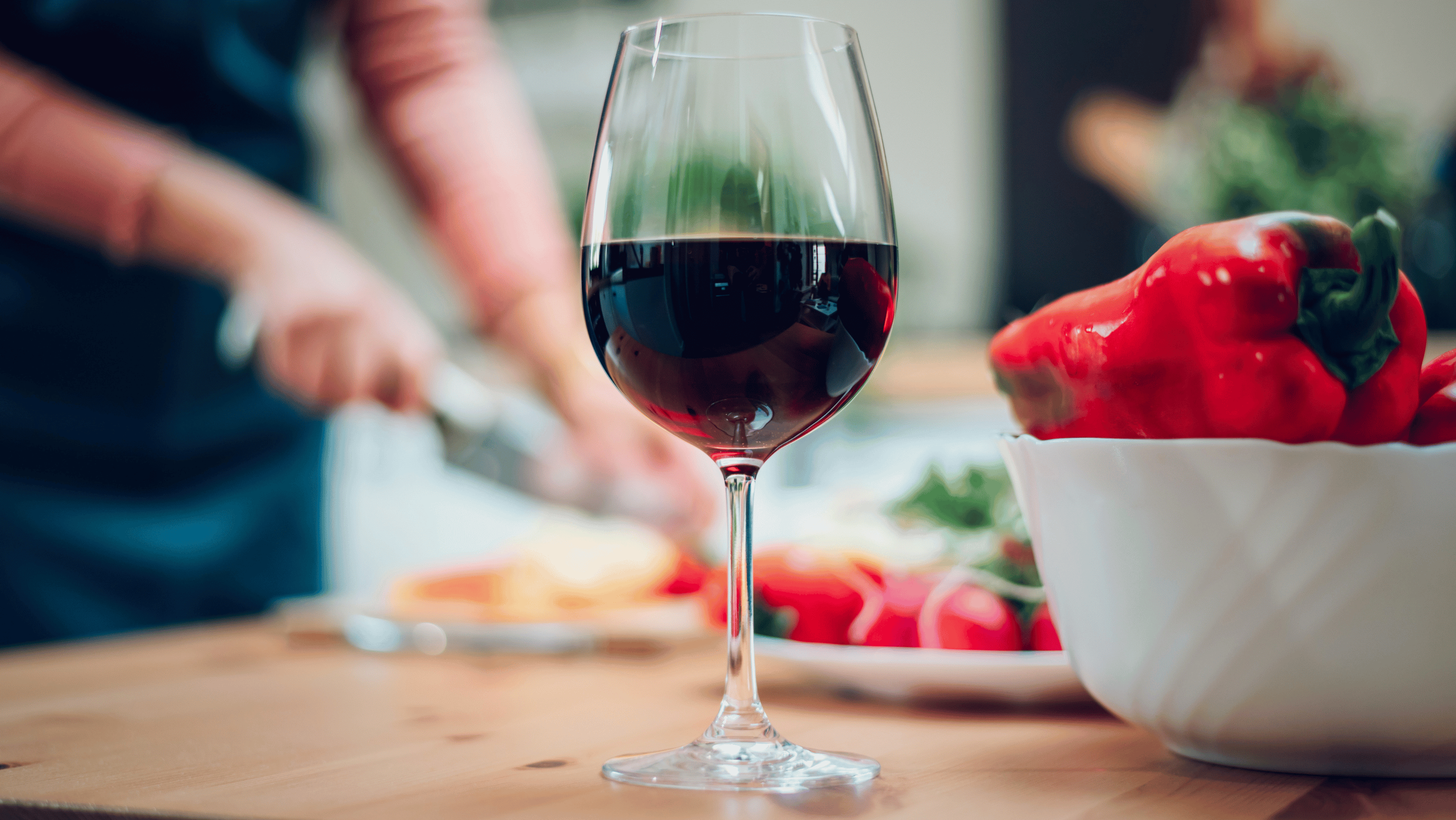
By Tansy Forrest, Clinical Hypnotherapist & Author of Ten Steps to Drink Less and Live Well
The question doesn't usually arrive in a dramatic way. It arrives in the quiet moment before opening a second bottle, or when the scales show a number that keeps not quite moving. It arrives on a Sunday morning, somewhere between deciding to be healthier this week and reaching for the coffee.
For many people who drink more than they'd like, weight is part of what made them start paying attention. Not always. But often. The sluggishness in the mornings, the bloated feeling that seems normal until a week off it shows them it isn't, the gradual shift in how clothes fit that can't be entirely explained by age. The private wondering: is the drinking part of this?
The honest answer is yes, it may be. But not always in the way people expect, and not always through the mechanism every article focuses on. What follows is the fuller picture.
Quick answer:
Stopping or cutting back on alcohol can help some people lose weight, but the reason is not only calories. Alcohol can add a significant amount of energy to the week, disrupt sleep, lower inhibitions around food, and make late-night or next-day cravings more likely. Some people lose weight quickly when they drink less; others see slower changes, especially if sugar cravings, sleep, hormones or eating patterns also need time to settle.
A note before we go further
This article is written for people who want to understand how alcohol may be affecting their weight and are curious about drinking less. If stopping or significantly cutting back causes symptoms such as anxiety, difficulty sleeping, nausea, vomiting, racing heartbeat, sweating, shaking, confusion, hallucinations or seizures, please speak to your GP or an alcohol support service before making any changes. These can be signs of physical dependence, and stopping suddenly can be dangerous. It is not a reflection on your character — it is a physiological state that needs medical attention first.
In this guide
- Will I lose weight if I stop drinking alcohol?
- Why results vary
- The calorie picture
- Why it's not just calories: sleep, appetite and food choices
- Wine, home pours and the weekly pattern
- Belly fat, bloating and weight around the middle
- Sugar cravings when you cut back
- Why you might stop drinking and still not lose weight
- Does cutting back work, or do you have to stop completely?
- Where to start this week
- Frequently asked questions
Will I lose weight if I stop drinking alcohol?
Many people do. For people who have been drinking regularly over months or years, cutting back or stopping often produces weight change without any other dietary changes. How much varies widely between individuals. Some notice a shift within a few weeks; others see slower or smaller changes and are not sure why.
Both are common. And both have explanations.
Small observational research on a month of abstinence has found improvements in weight and metabolic markers for people who stopped drinking entirely, but results vary considerably between individuals. This is not about willpower or metabolism failing. It is about which downstream effects kick in, and whether they are given enough time to accumulate.
Why results vary
The body's response to drinking less is not random. It follows a pattern.
When drinking reduces enough to improve sleep, a cascade can follow: better mornings, more stable energy, more movement, less reaching for quick-fix food. When that chain starts, weight often follows. When sleep stays poor despite cutting back, because of stress, hormonal changes, or other factors, the downstream effects are slower to arrive.
When alcohol calories are replaced by sugar or larger portions, which is more common than people realise and is covered in more detail below, the picture on the scales may not shift as expected even when drinking has genuinely reduced.
The scale is only one measure of what is changing. Bloating, waist measurement, energy levels, and the quality of mornings often move before the number does. Noticing those changes is useful information, not evidence of failure.
The calorie picture
Starting here is where most articles on this topic begin. Stopping here is where they go wrong.
Alcohol contains around 7 calories per gram, close to fat at 9 calories per gram. According to NHS guidance, a standard 175ml glass of 12% wine contains up to 158 calories; a pint of 5% beer contains up to 222 calories. Neither figure tends to be counted as food, and yet both arrive in the body alongside whatever was eaten that day.
For people who drink regularly, these calories tend to sit on top of a normal diet rather than replacing anything. They are easy to overlook precisely because they do not feel like eating. A couple of glasses of wine or a few beers can add a noticeable amount to the week, particularly when they also make crisps, takeaway or late-night snacks feel more acceptable.
There is another layer. While the liver is busy processing alcohol (which the body treats as a priority because it is a toxin), it is less focused on other metabolic tasks, including fat metabolism. This is not a simple pause in fat burning. It is a shift in where metabolic attention goes. Over days and weeks of regular drinking, that shift accumulates.
But the calorie mathematics alone does not explain why some people cut back significantly and see rapid change while others cut back by the same amount and see almost none. For that, the sleep picture matters.
Why it's not just calories: sleep, appetite and food choices
Alcohol does help some people fall asleep. It is a sedative, and the transition into sleep can feel easier with it. What it produces, however, is not the same as restorative sleep. As I write in my book, sedation is not sleep, and it is easy to mistake one for the other.
Alcohol tends to suppress the deeper, more restorative stages of sleep in the first half of the night. As it metabolises, the body moves back into lighter sleep and wakes more easily. The morning that follows is often duller and harder than it should be, the kind that makes the day feel like something to get through rather than something to live in.
The weight connection runs through the next day. Poor sleep raises hunger signals and lowers the sense of fullness. A body running on disrupted sleep reaches for energy, often in the form of quick carbohydrates or sweet food. It also has less tolerance for planning, less patience for preparation, and less inclination for movement. None of these things individually is catastrophic. Together, over weeks and months, they settle into a pattern that the scale reflects.
Many of my clients report sleeping more deeply and for longer over time as they cut down on alcohol. As I write in my book: "Your appetite and food choices will also improve. Taking regular exercise helps you to sleep better, which cascades into improvements in your eating patterns. Each positive step affects another area of your life favourably."
One of my clients, a GP working in a busy city practice, had been drinking to unwind after long shifts for years. By the time she came to see me, she was consuming around four to five bottles of wine each week. She noticed the weight gain first, and the sluggishness in the mornings, and the low energy that made exercise feel impossible, which then made the sluggishness worse. When she set honest limits and began tracking her intake, sleep improved before the scales moved. Energy returned before she felt lighter. The exercise she had been avoiding became something she actually wanted again. The weight question, which had started the whole conversation, resolved itself as part of something larger.
Wine, home pours and the weekly pattern
For many people, this is not really "alcohol and weight" in the abstract. It is wine, most evenings, in amounts that feel entirely normal because they have become ordinary.
A glass while cooking. Another with dinner. A top-up before bed. None of it feels dramatic. None of it looks, from the inside, like a pattern worth examining. But home pours are consistently larger than pub measures. A generous pour at home can be 250 to 300 millilitres. A standard pub measure is 175. The difference across a week is larger than it sounds, and it never gets counted.
The issue is the whole picture: the calories, the sleep disruption, the slight loosening of food inhibitions that two glasses produces rather than one, the next morning that starts a little slower. It is the pattern, not the individual evening, that the body is responding to.
Belly fat, bloating and weight around the middle
Many people notice changes around the middle first when they drink less. There are a few reasons for this.
Alcohol-related fat storage tends to be visceral, around the organs in the abdomen rather than under the skin. Research suggests alcohol can raise cortisol, a stress hormone associated with fat storage around the midsection. Disrupted sleep adds to this independently: poor sleep quality is linked with changes in how and where the body stores energy. When both of those factors shift together, the effect on the waist can be noticeable before the scales reflect it.
Bloating is also common with regular drinking and tends to reduce fairly quickly when alcohol intake drops. Some people notice this within a week or two, and it can be a useful early sign that the body is responding, even when the scale is slower to move. For a closer look at why alcohol causes bloating, puffiness and what else changes physically when you drink less, I've written about the body effects in more detail.
That said, belly fat has multiple causes. Age, hormones, genetics, stress, movement patterns and overall food intake all play a part. Drinking less is one meaningful lever. It is not a spot-reduction tool, and it is worth being honest about that.
In midlife, the alcohol-weight question can feel more confusing than it did at thirty. Hormones, sleep quality, muscle mass and activity levels may all be changing at the same time. Alcohol can sit on top of that shift: disrupting sleep that is already more fragile, adding calories to a metabolism that is recalibrating, and lowering resistance to late-night food. If weight has changed noticeably after forty or around perimenopause, alcohol may be part of the picture. It is unlikely to be the only factor. For a closer look at the specific ways alcohol and perimenopause interact, I've written about this in more detail, and my guide to alcohol and women looks at the wider biological differences behind it.
Sugar cravings when you cut back
This one catches people off guard.
In the first few weeks of cutting back, some people find sweet cravings intensify. They expected the weight to shift; instead they are reaching for biscuits at eleven in the morning. This is not a failure of willpower. It is a neurochemical adjustment that is well documented and worth knowing about in advance.
Alcohol and sugar use overlapping reward pathways. When one source of that reward reduces, the other can temporarily become more insistent. It usually settles, particularly as sleep improves and the body finds a more stable rhythm. But in the early weeks, the craving is real.
If sweet cravings in the early weeks of cutting back lead to replacing wine calories with chocolate or snacks, the scale may not move as expected. That is not evidence that cutting back does not work. It is a temporary stage of adjustment, and the most useful response is to notice it with curiosity rather than treat it as proof that something has gone wrong.
Why you might stop drinking and still not lose weight
This happens more often than most articles acknowledge, and it deserves an honest answer.
Some of the most common reasons:
- Alcohol calories have been replaced by sugar or larger portions. The body's overall energy pattern has not changed, just the source. This is very common and not a moral failing. It is information.
- Sleep has not improved yet. Other factors, including stress, hormonal changes, irregular hours or phone use, may be keeping sleep disrupted even when alcohol is no longer the cause.
- Reduced movement. The tiredness that can come in the first weeks of changing a drinking habit sometimes means less activity rather than more. That can offset the calorie reduction.
- The scale is the slowest measure. Bloating, waist measurement, morning energy and mood often shift before weight does. The body is changing; the number may be the last thing to show it.
- Other factors are also at play. Perimenopause, stress, medication changes and disrupted routines can all influence weight independently of alcohol intake.
One of the most useful reframes is to compare mornings before comparing scales. How does the first hour of the day feel? That is often where the earliest evidence of change lives, weeks before the number moves.
If you have stopped drinking and feel disappointed that the weight has not shifted, it does not mean the effort was wasted. It means there is more information to work with.
Does cutting back work, or do you have to stop completely?
This is often the question underneath the question.
Many people searching for answers about alcohol and weight are not planning to stop drinking entirely. They are wondering whether cutting back honestly and consistently is enough to make a difference. The honest answer is that meaningful reduction can start many of the same positive changes as stopping completely: fewer alcohol calories, better sleep, fewer late-night food choices, more stable energy across the week.
Stopping entirely may produce a larger or faster effect for some people. But the body responds to dose and pattern, not a binary label. One of my clients, a businessman in his mid-forties, reduced from around 80 units a week to 15 over the course of working together. He lost weight, slept better, and felt healthier across several measures. He did not stop. He changed the pattern enough for the body to respond differently.
The question is not whether you drink anything at all. It is whether the reduction is enough to improve sleep, shift the weekly calorie pattern, and reduce the late-night food choices that so often travel alongside heavier drinking. For many people, it is.
Where to start this week
Before changing anything, spending one week tracking honestly what is actually being consumed can be surprisingly useful. Not to produce shame. To have accurate information. Most people who do this find they have been consistently underestimating their intake, particularly home pours.
Beyond that, a few practical places to begin:
- Measure home pours once, just to see what a glass at home actually contains compared to a pub measure.
- Notice what happens after drinking: the food choices, the next morning, the energy. Not with judgment, with curiosity.
- Choose two or three alcohol-free days each week, spread across the week rather than saved for the weekend.
- Try smaller glasses or smaller pours on drinking evenings.
- Stop drinking earlier in the evening. Even thirty minutes earlier protects more of the sleep.
- In the early weeks, watch sugar cravings without panic. They are usually temporary.
- Compare mornings, energy and waist measurement before comparing scales.
The goal is not a perfect number. It is noticing enough about the pattern to begin shifting it. That is usually enough to start the chain.
If you would like to go further:
- Read the step-by-step guide — the full 10-step framework for drinking less without quitting, covering triggers, limits, mindset and the harder evenings.
- Explore mindful drinking — for becoming more aware of what drives the drinking pattern in the first place.
- Understand the sleep connection — a closer look at how alcohol disrupts sleep and what changes when you drink less.
- See what else changes in the body — bloating, skin, puffiness and the physical signs that often shift before the scales do.
- Consider nutritional support if you're a woman over 40 — a guide to the supplements worth considering alongside cutting back.
- Read the book — Ten Steps to Drink Less and Live Well covers the self-care and sleep chapters in full, alongside the practical tools for lasting change.
- Join the Blueprint programme — the Freedom from Overdrinking Blueprint, with weekly action steps, hypnotherapy sessions and community support.
- Book a private consultation — for a direct conversation about your specific situation.
Alcohol may be one of the reasons your weight has changed. Drinking less can help — through calories, sleep, appetite, food choices and routine. You do not have to make a permanent decision to start noticing the difference.
— Tansy Forrest, clinical hypnotherapist
Sources and further reading
- NHS: Calories in alcohol — calories per drink, 7 cal/gram figure, waistline impact
- NHS: Tips on cutting down alcohol — benefits of drinking less including better mornings, energy and weight management
- Drinkaware: Beer belly and alcohol — alcohol and central obesity, appetite effects
- Drinkaware: Alcohol, calories and maintaining a healthy weight
- Tansy Forrest. Ten Steps to Drink Less and Live Well. Synergy Publishing, 2025
Frequently asked questions
How much weight can I lose by cutting back on alcohol?
Results vary considerably between individuals. Small observational research on a month of abstinence has found improvements in weight and metabolic markers, but how much change any one person sees depends on factors including how much they were drinking, whether sleep improves, and whether other habits shift alongside the alcohol. Some people notice a difference within a few weeks; for others, the downstream effects take longer to accumulate.
Does alcohol stop fat burning?
While the body is processing alcohol, the liver prioritises breaking down the alcohol, which it treats as a toxin, over other metabolic tasks. That can reduce fat oxidation for a period of time. But the bigger weight picture is usually the whole pattern: alcohol calories, disrupted sleep, food choices, appetite changes and reduced movement the next day all play a part.
Why do I crave sugar when I cut back on drinking?
Alcohol and sugar use overlapping reward pathways in the brain, so some people notice stronger sweet cravings in the early weeks of drinking less. This is a normal and usually temporary adjustment. If sweet food is replacing alcohol calories during this period, weight change may be slower to appear — but the craving typically settles as sleep improves and the body finds a more stable rhythm.
Will I lose belly fat if I stop drinking alcohol?
You may notice changes around the middle if alcohol has been contributing to extra calories, disrupted sleep, or late-night eating. Bloating also tends to reduce fairly quickly when drinking drops. But belly fat is affected by many factors including age, hormones, stress, genetics and overall diet. Drinking less can be one meaningful lever; it is not a guaranteed way to reduce weight in one specific area.
Why have I stopped drinking and still not lost weight?
This is common, and it does not mean cutting back was pointless. The most frequent reasons are that alcohol calories have been replaced by sugar or larger portions, that sleep has not yet improved (for reasons unrelated to alcohol), or that other factors including stress, hormones or reduced movement are also affecting the scale. Comparing mornings, energy and waist measurement alongside weight tends to give a more complete picture of what is actually changing.
Does wine make you gain weight?
Wine can contribute to weight gain if it adds regular calories to the week or makes snacking more likely. The issue is usually not one glass but the pattern: larger home pours, top-ups, drinking while cooking, and the food choices that follow. Across a week, that pattern tends to add up in ways that are easy to underestimate because the calories do not feel like eating.
Will I lose weight from drinking less alone, or do I need to change my diet too?
Many people see weight change from drinking less without making deliberate changes to anything else, particularly once sleep improves and appetite settles. Changing diet can help, but it is not a prerequisite. Noticing the food choices that accompany drinking and the day after is often the most useful starting point, because those patterns tend to shift naturally as drinking reduces.
Is cutting back enough, or do I have to stop entirely?
Cutting back meaningfully can trigger many of the same downstream improvements as stopping entirely, especially if the reduction is enough to improve sleep, reduce late-night eating and shift the weekly calorie pattern. Stopping may produce a larger or faster effect for some people. But the body responds to dose and pattern, not a yes-or-no label. Many people find that consistent, honest reduction is enough for the body to start responding differently.